
Why dental implants matter for your long-term health
A missing tooth changes more than your smile
If you've lost a tooth, you might have noticed it first in photos or while chewing on one side. What's harder to see is what happens underneath the gums over the months that follow. Our dental implant team in Milford and Henniker walks every patient through this, because it's the biggest reason we recommend implants over simply living with a gap.
What happens in the jaw after a tooth is lost
Each tooth root does quiet work every day. When you bite down, the root presses on the jawbone, and that pressure tells the bone to stay dense and strong. Take the root away and the signal stops.
-
- Over the first year, the bone in that spot can start to shrink because nothing is stimulating it anymore
-
- Neighboring teeth may begin to drift or tilt into the open space, which can change your bite
-
- If several teeth are missing, the lower face can start to look shorter or hollow as the bone recedes
How an implant protects the bone
A dental implant is a small titanium post placed where the root used to be. Bone naturally bonds to titanium, so over a few months the jaw grows around the post and locks it in place. Dentists call this fusing process osseointegration.Benefits our Milford and Henniker patients notice most
-
- Eating feels normal again. Implants are anchored in bone, so you can bite into an apple or a crusty sandwich without thinking about it.
-
- Nothing slips. Unlike a removable denture, an implant crown stays fixed and doesn't need adhesive.
-
- Your other teeth are left alone. A traditional bridge requires filing down the neighboring teeth. An implant stands on its own.
-
- It looks like yours. The crown on top is shaped and shaded to match the teeth around it.
-
- It's built to last. With good brushing, flossing, and regular checkups, an implant can serve you for decades.
One tooth, several, or a full arch
Implants are flexible. A single implant and crown can replace one missing tooth. A few implants can support a bridge across a larger gap. And a small number of implants can anchor a full denture so it snaps into place and stays there. Our team in Milford and Henniker plans, places, and restores implants in-house, so you won't be sent across town for each step.
Things you might be wondering
Is it a problem to wait a while before replacing a missing tooth?
Does the implant process hurt?
How long does it take from start to finish?
Can I get an implant if I've already lost some bone?
Are implants covered by insurance?

Let's care for your smile
Call today and discover why we are the go-to dentist for the Southern New Hampshire communities.

Two locations, one team
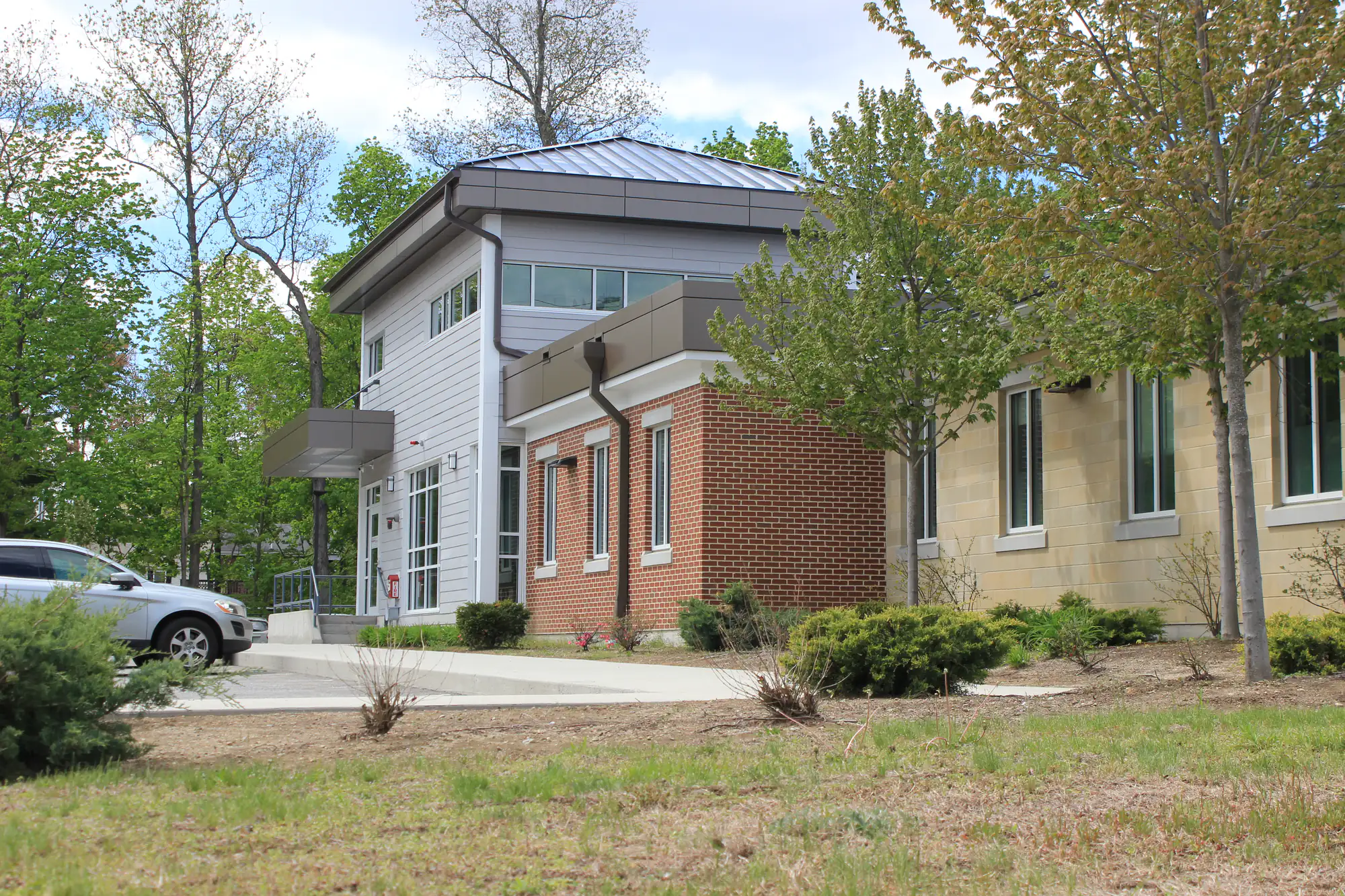
Milford Dental Office
 (603) 673-3332
One Saturday a month: 8am – 1pm
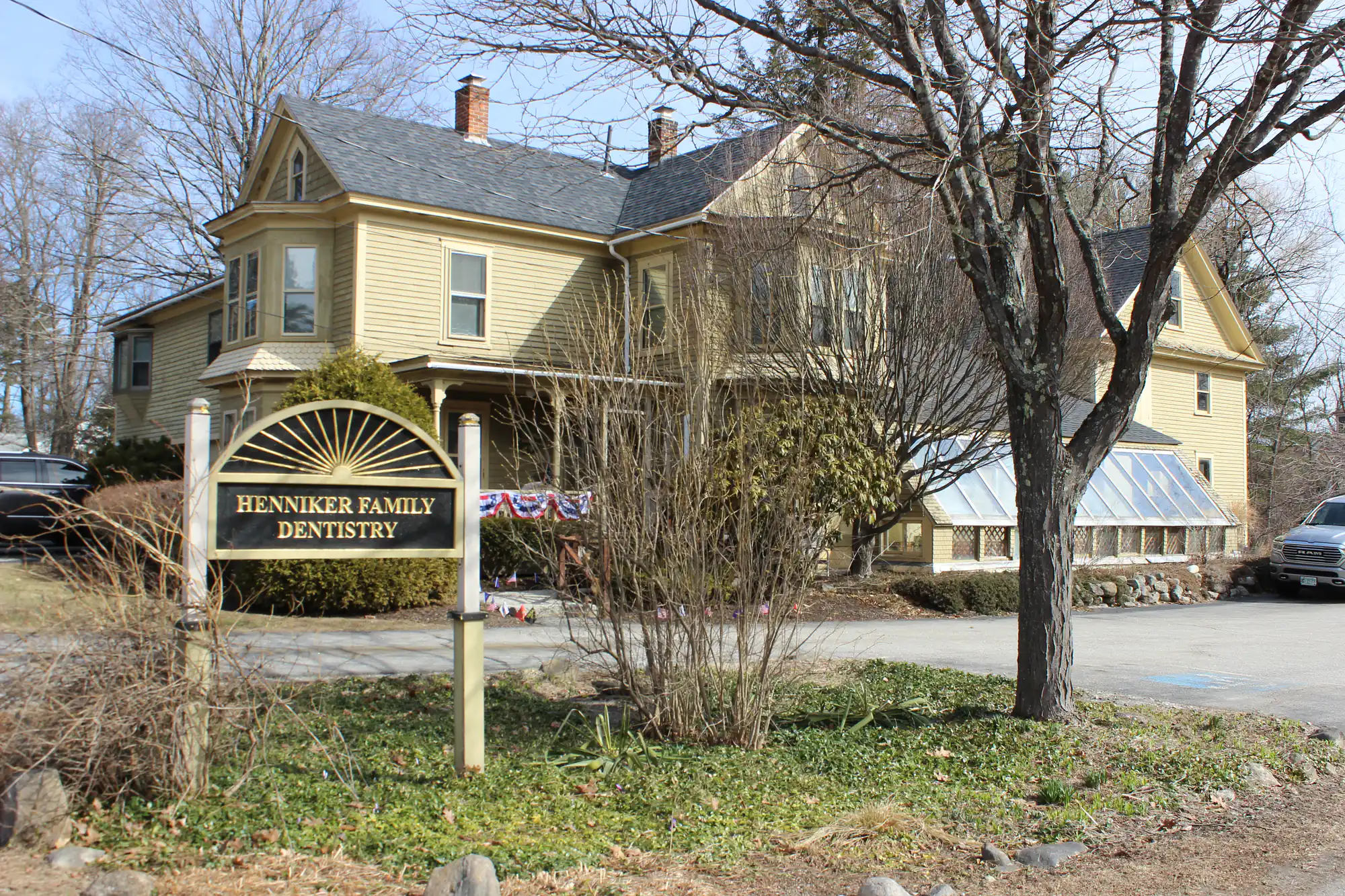
Henniker Dental Office
(603) 428-3419